How Often Should You Pressure Wash Your Lititz Driveway?
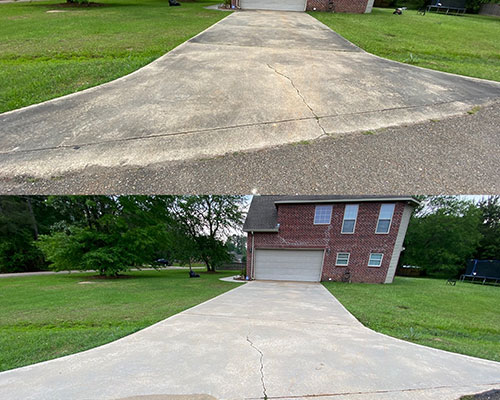
If you're wondering how often to clean your driveway, you're not alone-many Lititz homeowners ask this every season. Based on local weather and typical wear, most homes here benefit from professional driveway cleaning once or twice per year, with timing shaped by Pennsylvania winters, spring pollen, humid summers, and fall leaf drop. To see what that means for your concrete or asphalt, and to keep stains from setting in, explore the guide below and consider scheduling a spring visit through our driveway washing page.
Why Cleaning Frequency Matters In Lititz
In a walkable town like Lititz, curb appeal isn't just about pride-it supports property value on streets from Main Street to Kissel Hill Commons. A clean driveway also improves traction during wet weather and helps prevent long-term issues like etching, oil bonding, and algae spread into nearby walks and stoops.
What Local Weather Really Does To Concrete And Asphalt
Our four seasons are beautiful, but they're tough on driveways. Here's how the year typically marks surfaces across Warwick Township and downtown Lititz:
- Winter: Road salt and brine track onto the slab, leaving white haze, pitting on concrete, and sticky residue on asphalt.
- Spring: Pollen coats everything. When mixed with rain, it forms a film that traps dirt and feeds algae in shaded areas.
- Summer: Heat plus humidity accelerates mold, mildew, and algae growth-especially along north-facing edges and under tree shade.
- Fall: Leaves and acorns create dark tannin stains and leaf “ghosts” that print into porous surfaces if not removed promptly.
Letting seasonal buildup sit for months makes later stains harder to lift and can age your driveway faster than normal weathering.
How Often Should You Pressure Wash Your Lititz Driveway?
For most homes in Lititz, plan professional cleaning every 12 months, with many properties doing best at twice per year-once after winter and once late summer or early fall. Your exact schedule depends on several local factors:
- Tree cover and pollen load near Lititz Springs Park or mature streets off Broad Street
- Amount of road salt tracked in from commutes on 501 or 772
- Shade and drainage on sloped drives in Warwick Township
- Surface type: broom-finished concrete vs. blacktop asphalt
- Vehicle use: heavy trucks, frequent parking, or slow tire turns that scuff
As a simple rule, schedule right after the last hard freeze to flush out salt residue, then consider a second cleaning in late August or September to reset the surface before leaf season. If your driveway sits under oaks or maples, or you see green streaks by June, you'll likely benefit from the twice-per-year cadence.
Watch for these signs; it's time to clean now rather than wait:
- Slippery green film or black patches along shaded edges
- White salt haze or chalky film that returns after rain dries
- Leaf “prints,” acorn rings, or rust-like spots that don't fade
- Dark tire arcs and oil shadowing near the garage apron
Concrete Vs. Asphalt: Care Differences In Lititz
Concrete is porous and can wick in road salt, leaf tannins, and oil. Professional cleaning targets contamination first with the right detergent blend, then uses controlled pressure and water volume to lift debris from the surface without scarring the paste or exposing aggregate. Asphalt, by contrast, is petroleum-based and more flexible. It can hold onto oily films and summer grime, which respond better to heat-compatible detergents and measured rinsing that respects the binder.
Too much pressure in a small tip can etch concrete or ravel the top of asphalt, shortening service life. The right approach relies on even, low-impact rinsing with the proper nozzles and dwell times, so the chemistry does the heavy lifting and the water simply carries soils away.
Best Times Of Year To Schedule In Lititz
Pennsylvania's pattern gives us natural windows for the best results:
Early Spring (March-April): Clear salt haze and grit after the last hard freeze. This protects concrete from salt-driven pitting and keeps asphalt from holding sticky residue that grabs more dirt.
Late Summer (August-September): Remove algae blooms fueled by humidity and reset traction before fall rains make shaded spots slick. You'll also start fall with a fresh surface that sheds leaves instead of absorbing tannins.
Late Fall (October-November): If you skipped summer service, a pre-winter clean helps reduce salt bonding and makes your spring maintenance lighter.
Lititz winters can swing fast. Aim to clean once night temps stay above freezing for several days, so rinse water dries fully. That timing helps prevent refreeze risks on inclined driveways and keeps salt from compounding over winter.
How Professional Driveway Cleaning Protects Your Surface
When you hire a local team that understands Lancaster County weather, you get more than a rinse. A pro visit typically includes a surface evaluation, a targeted pre-treatment to break bond with salt film, pollen residue, algae, and oil shadows, followed by uniform, low-impact rinsing and a quality check along joints and control cuts. Edges near grass are rinsed clean to avoid tracking grime back onto the drive, and sensitive landscaping is pre-wet and post-rinsed to keep plants happy.
Expect attention to details that matter in Lititz neighborhoods: careful work around Belgian block aprons, decorative borders, or stamped sections; extra focus on shaded strips along fences; and tidy water management so walkways and porches don't stay damp. The goal is a clean, even finish without streaks or wand marks that show when the sun hits late in the day.
Season-By-Season Plan For Lititz Homeowners
Here's a simple planning roadmap many local homeowners follow:
- January-February: Monitor for heavy salt tracking. Avoid piling treated snow where meltwater runs across the driveway and dries in stripes.
- March-April: Book your first cleaning to remove salt haze and winter grit, especially along the street edge and by the mailbox apron.
- May-July: Keep an eye on pollen film and shaded edges. If you notice green or black streaks, consider moving your second visit earlier.
- August-September: Second cleaning window to tackle humidity-driven growth and tire scuffs from summer driving.
- October-November: If leaves stain quickly on your block, a final rinse before consistent freezes can help next spring's cleanup go faster.
If you're unsure whether you need one or two cleanings, start with spring service and reassess mid-summer. Many drives near tree-lined streets or north-facing lots settle into a twice-per-year rhythm after that first season.
Local Context: Streets, Shade, And Curb Appeal
Driveways off Broad and Orange, and the quieter cul-de-sacs around Kissel Hill, often deal with shade from established trees. Water tends to linger near the bottom of sloped drives after heavy summer rain, which is why algae creeps back quickly there. Keeping the surface clean helps your entry look sharp for events downtown and the steady weekend foot traffic near Lititz Springs Park.
If you're comparing service options, look for a team that communicates clearly about detergents, technique, and aftercare. A reputable local provider will tailor their process to your surface type and exposure, not just the address.
Choosing A Trusted Local Team
It pays to work with a company that knows regional weather patterns and typical Lancaster County materials. You'll get scheduling that fits our seasons, the right detergents for concrete and asphalt, and a careful, uniform finish that boosts curb appeal without risking damage. When you want to see how a full property refresh can complement your driveway, connect with a leader in pressure washing in Lititz to map a sensible plan for your home.
When you're ready to time your cleanings with the weather, pair spring salt removal with a late-summer reset for the best year-round results. Many Lititz homeowners find this rhythm keeps stains from setting and reduces slick spots where shade lingers.
Don't wait for salt haze, pollen film, or algae to leave lasting marks-protect your driveway and your curb appeal today. Book your visit with Will Power Washing or call us at 717-807-7697.

Protect Your Property In Lancaster County With Will Power Washing!